
I got into the industry around 2008. Worked at a small agency for four years, then freelanced for another four. I was making things and shipping work. And at the time, I thought I was doing fine. But looking back, I was floating. Roaming from project to project, hoping to stumble into the right answers without any real framework to stand on. And nobody around me pointed it out.
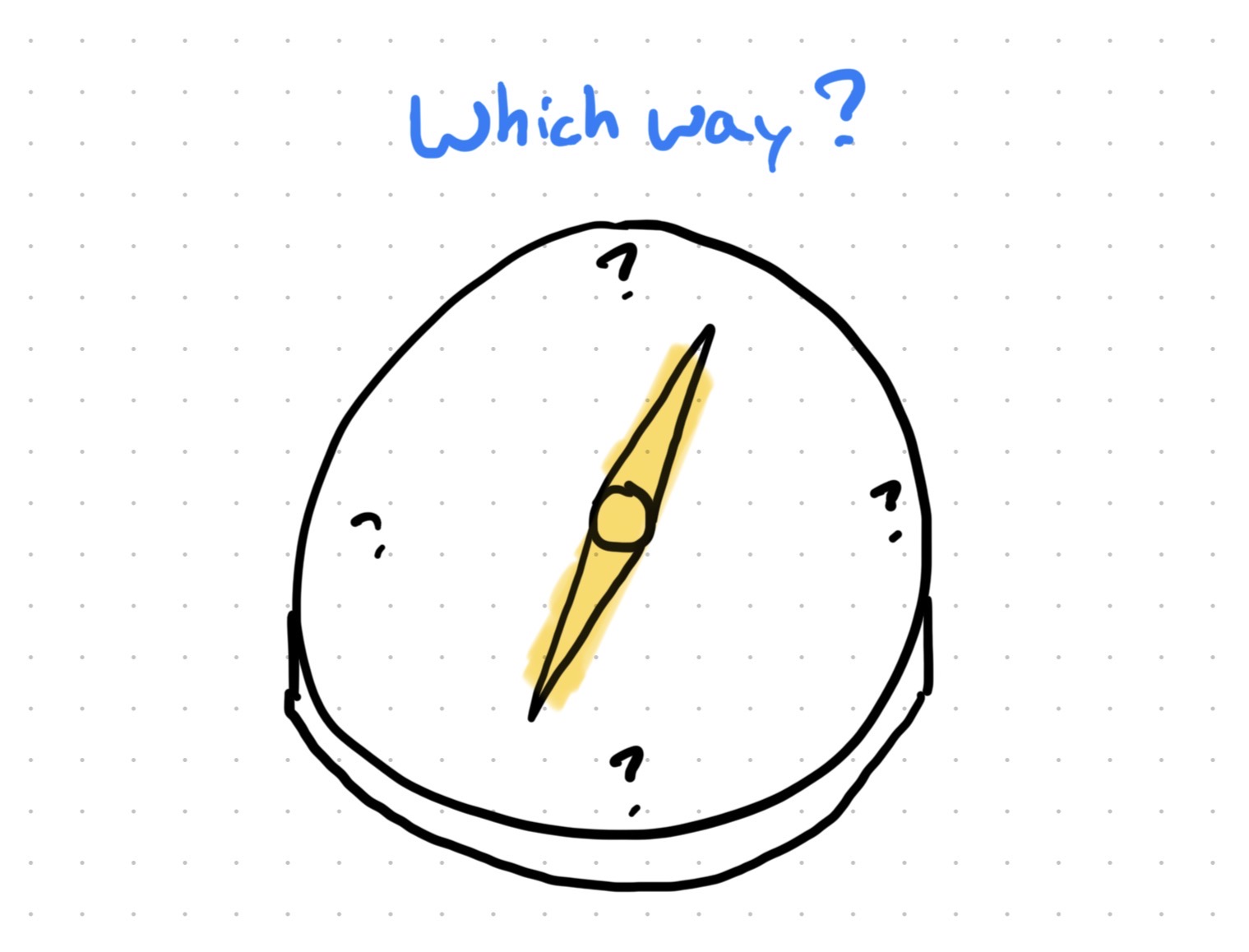
That changed around 2015. I landed a job where people actually talked about this stuff. Nielsen's 10 heuristics. Peter Morville's honeycomb. Jesse James Garrett's five layers of UX. Information architecture. Interaction design. At first, it was overwhelming, like they were all speaking a foreign language. But, I spent the next four years soaking it up, learning to apply these ideas day in and day out.
Over time, it felt like I built a map. It didn't give me all the answers, but it gave me direction. Clarity on how to approach challenges instead of aimlessly wandering through them. For the first time in my career, I felt like I'd found a shared language…a common foundation the whole industry used. It felt like I was flying.
Then I changed jobs. And the shared language wasn't shared.
The Blank Stares
In my new role, I repeatedly referenced these frameworks in conversations with my new team. Morville's honeycomb for defining value. Garrett's layers for diagnosing where a problem actually lives (this one a lot). Most of the time, I just got blank stares. The only framework anyone seemed to know was a watered-down version of design thinking. The map I'd been using to guide me was unknown around me. Worse yet, when that map is missing, we’re left arguing over relativistic opinions.
At first, I was confused, wondering why no one else shared these frameworks. I wondered why we were still discussing opinion, when there were clear principles to be designed from. At the time, I ignored it and just focused on embedding these frameworks in the culture of the work.
The Tipping Point
A few years later, my thinking really got going after I picked up a book on design education, filled with research from the past 50+ years. The work was excellent. Thoughtful, grounded, backed by real study (instead of one person’s isolated experience). These researchers understood how design functions, how people learn it, and what makes designers effective. And almost nobody in the industry today has heard of any of it.
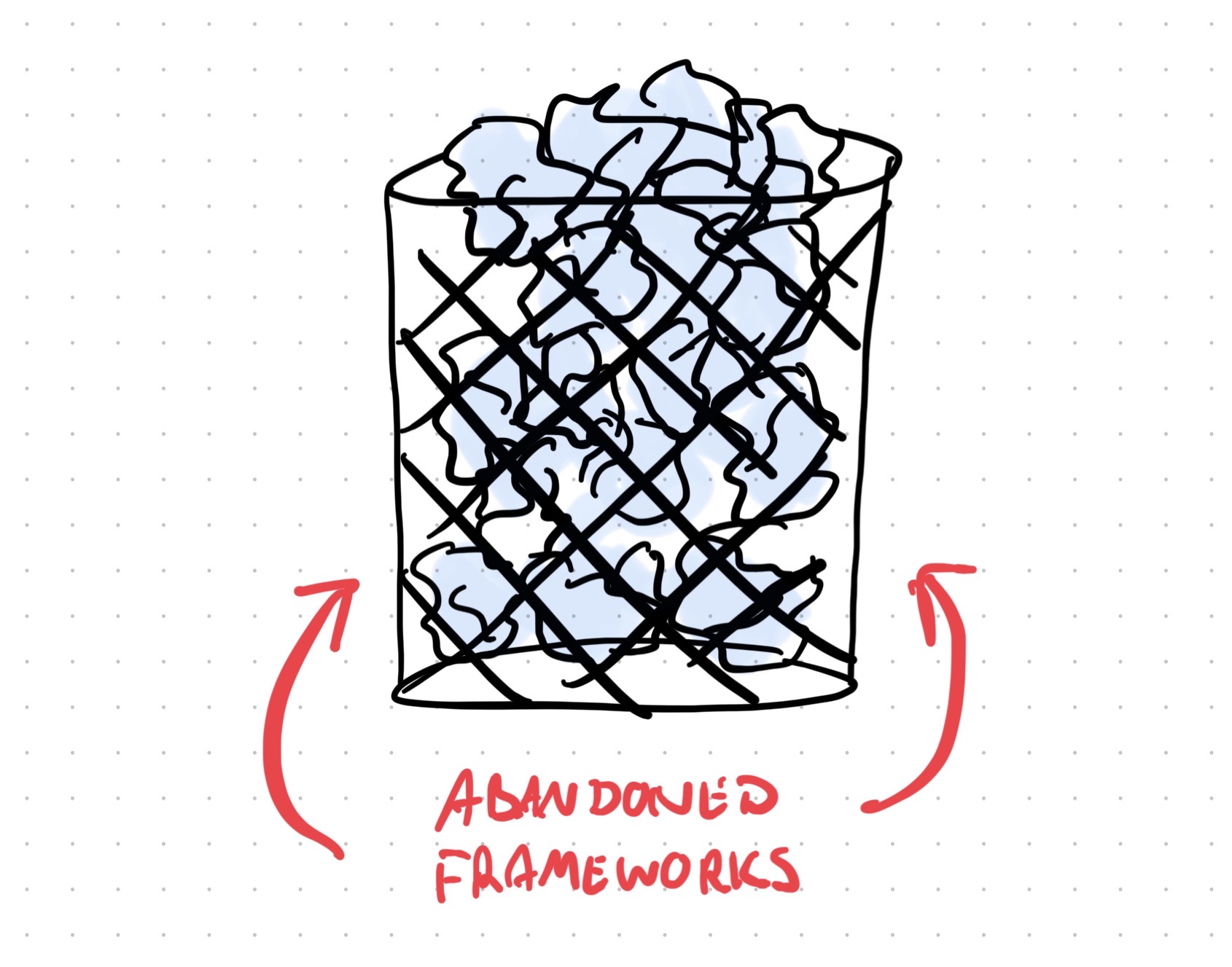
That's when it clicked. This wasn't just my experience at one company. This is a pattern. The design industry keeps doing this. We find solid, time-tested, research-backed frameworks. We use them for a while. Then we move on. Not because they stopped working. Because they stopped being new.
The Pattern
These proven frameworks keep getting abandoned across this industry. And the replacements aren't better. They're just newer.
Take Jakob Nielsen's 10 usability heuristics. In the last two years alone, multiple articles have proposed "new" heuristics for AI, condensed the originals into three "core principles," or declared them insufficient for modern interfaces. But those heuristics weren't pulled from thin air. They were derived from a factor analysis of 249 usability problems across 11 professional projects. They haven't needed changing since 1994 because human cognition hasn't changed since 1994. The shape of software has changed, but the people using it haven't.
Or look at Nigel Cross. He spent decades doing rigorous research on how designers actually think and work. Then IDEO took the general concept, simplified it into a five-step process, and branded it "design thinking." Today, most designers couldn't tell you where design thinking actually came from. The lineage is gone, in favor of innovation theater.
And then there's my personal favorite. Every single year, someone publishes "10 UX Principles for [next year]." Typically, these are fad-based tidbits that are less proven than Bigfoot.
How It Happens
So how does an industry keep losing its own foundations? I think there are at least four forces at work, and they all lead to the same place.
- Personalization. A framework doesn't perfectly fit your context, so you start adapting it. You rename a step here, tweak a category there, adjust the language to match your team's vocabulary. Each change feels small and reasonable. But after enough tweaks, the original is unrecognizable both in name and in value. The shared language disappears one customization at a time, and the value of the framework is eroded.
- Universalization. A framework doesn't cover every possible situation, so you try to build one that does. One model to account for every context, every application, every edge case. It's an impossible goal. And the pursuit of a universal framework quietly replaces the proven ones that were broadly working.
- Unnecessary Reinvention. Maybe it's maker instinct. Maybe you want ownership. Maybe you genuinely believe your situation is unique enough to warrant a new approach. Whatever the reason, the original gets replaced rather than understood and applied. Another framework enters the world, watering down the trust in design rationale.
- Inexperience (probably the most common). Many never learned the originals in the first place. That bootcamp taught you Figma and user flows but skipped the discipline that makes the tools useful. You can't abandon something you never knew existed. And when you eventually encounter a gap in your toolkit, your instinct is to build something new, because you don't realize something already fills that gap.
What We Actually Lost
These battle-tested frameworks aren’t just tools or methods. They give us a common vocabulary for talking about design. They are a shared set of criteria for evaluating whether something was working or not. When you and I both know Morville's honeycomb, we can have a grounded conversation about whether a product is findable but not credible. When we both know Garrett's layers, we can diagnose whether a problem is structural or visual. We're not arguing opinions and feelings. We're reasoning through shared criteria.
Without that shared ground, design conversations collapse into exactly what Kevin Muldoon described:
"The field has made expertise indistinguishable from preference."
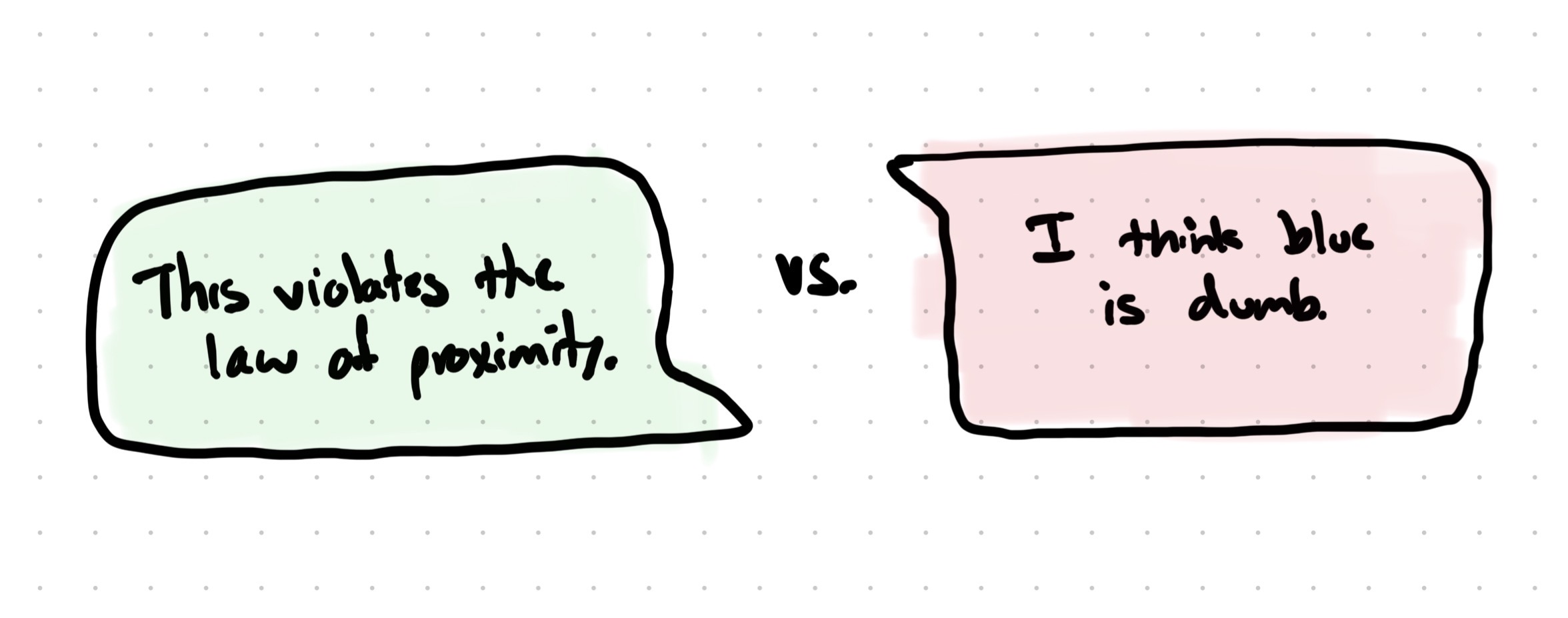
When there's no agreed-upon standard to point to, invoking color theory gets the same shrug as saying "I don't like the blue." The designer who cites Gestalt principles gets treated the same as the one stating a personal preference. The cost isn't just inefficiency. It's that we've lost the ability to agree on what "good" even means.
The Grounding Already Exists
I'm not going to pretend I'm above this pattern. A few years ago, I started building my own framework for design. Not for UX specifically, but for design as a discipline. I had real reasons. I saw real gaps. I still use it in my own work to help me make sense of the design world. It's a helpful map for me.
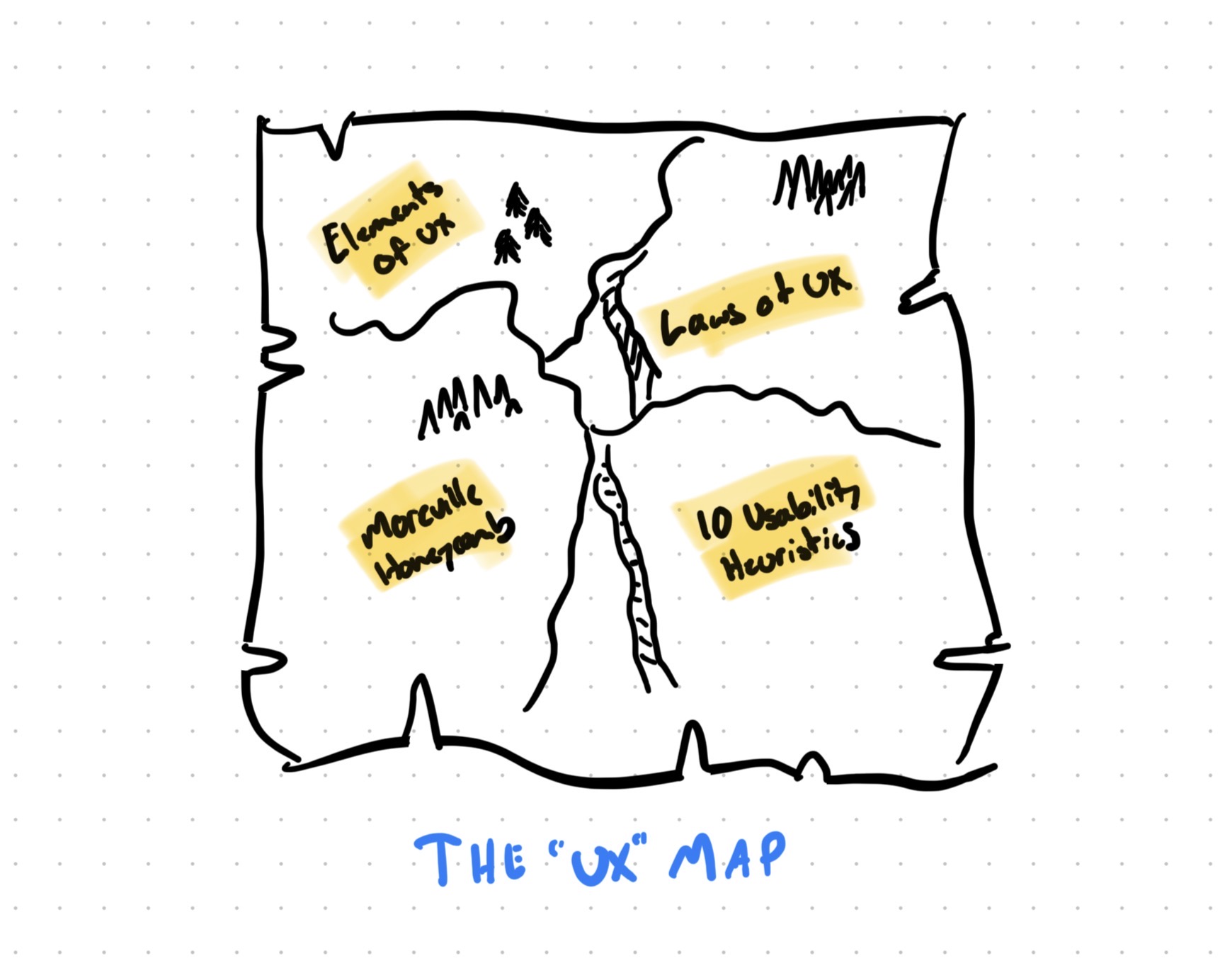
But I don't put it on anyone else. And I don't sell it for money. Because the honest truth is we don't need another framework right now. We need to actually use the ones we've got. It's hard to let the dream of creating the next big framework die. But nobody seemed to get it anyway. Or care about it. And maybe that's the point. Maybe the industry doesn't need my map. It needs to pick up the maps that are already drawn.
The shared ground already exists. It's just waiting to be remembered.
- Nielsen's heuristics give you a research-backed standard for evaluating usability.
- Garrett's five layers help you diagnose where a UX problem actually lives, not just at the surface, but deep into strategy and structure.
- Need grounded language for why a layout feels off? That's Gestalt principles (or PARC).
- Trying to define what makes something valuable to users? Morville's honeycomb.
- Yablonski's Laws of UX connect your design decisions to proven psychological research that's been validated for decades.
These aren't relics from a bygone era. They're shared vocabulary that's been sitting on the shelf, collecting dust while we keep reinventing the same ideas with new names. They may need to be applied in new ways as software evolves, but they're still relevant and valuable.
So before you build something new, ask yourself a simple question. Does something already exist that does this job? You might be surprised how often the answer is yes. The most useful move you can make might not be invention. It might be adoption. The grounding is already there…you just have to look for it.